Monday, October 26, 2015

Poem: "Power" by Adrienne Rich


That ear pain I wrote about in my last post turned out to be a Eustachian Tube Dysfunction due to a sinus infection. Big words for 'everything in your head is all plugged up,' including my creative flow. I probably exacerbated the entire thing by staying out too late two nights in a row this weekend. (Not sorry.)

Tonight, instead of composing a new blog post,  I'm taking my decongestant, my heating pad, and my cat, and I'm going to sleep. At 9:18 pm. (Sorry, and Not sorry)

Instead I offer this poem, written by the great Adrienne Rich in 1974. The last line changed my life. Some day I'll tell you how.


Power, by Adrienne Rich

Living      in the earth-deposits     of our history

Today a backhoe divulged      out of a crumbling flank of earth
one bottle      amber      perfect      a hundred-year-old
cure for fever      or melancholy      a tonic
for living on this earth      in the winters of this climate

Today I was reading about Marie Curie:
she must have known she suffered      from radiation sickness
her body bombarded for years    by the element
she had purified
It seems she denied to the end
the source of the cataracts on her eyes
the cracked and suppurating skin     of her finger-ends
till she could no longer hold      a test-tube or a pencil

She died      a famous woman      denying
her wounds
denying
her wounds      came      from the same source as her power

1974


Sunday, October 25, 2015

Parsha Vayera: [Spoiler Alert!] Isaac Survives

The amount of pain we can carry with us on our everyday journeys is astounding. Everywhere you go, people are in pain -- physical pain, emotional pain, psychological pain, financial pain. For the past week I've had intermittent jaw/ear pain that makes me want to stab myself in the head with a screwdriver. (I won't.) Then I take some more ibuprofen, get out the heating pad, and it recedes to a dull ache. At times I even forget the pain unless I think about how the pain is gone. Thanks, brain, for that trick.

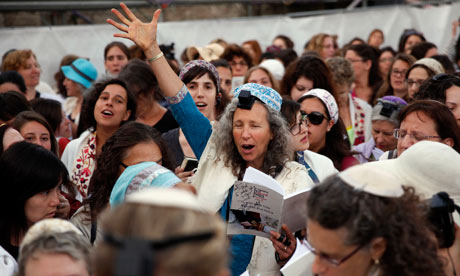
It's been six weeks since Rosh Hashanah, Day II, when we came together, stood in synagogue and literally knocked on our hearts, banging them open with our fists. We called out our sins, and our pain, and we were surrounded by others undergoing the same process -- releasing the same demons.

We also read "The Akedah," the near-sacrifice of Isaac, from the Torah. Our pain and their pain inevitably mix.

"The Sacrifice of Isaac" by VALDÉS LEAL, Juan de 1657-1659

Why?

For this post, I am not interested in the rabbinical, traditional reasons for including this story in the Torah or highlighting it in our High Holiday services. There are thousands of pages of explication of those ideas. Reading them is kind of like watching player interviews on sports channels:

  • We're really proud of Abraham. He knew what he had to do and went out and did it.
  • Abraham needed this adversity/reality check/loss in order to keep him on target/track/goal oriented/focused on what we’re trying to do.
  • Abraham and Sarah have overcome a lot of adversity. This team shows a lot of character. This team shows a lot of poise. This team shows a lot of pride. This team shows a lot of resiliency. This team shows a lot of heart.
  • Couldn't have done it without God, man. Could not have done it without God. All praises to Him

A Human Story

Boring lives make for terrible literature. If Adam and Eve never got kicked of of the Garden of Eden, would we care who they were? If Odysseus had a pleasant sailing trip and returned on time and happily to Penelope, would we still be telling the tale? What if Hamlet had just shrugged and said, "Meh. To be."

When we read Shakespeare and other works of literature, we put the characters to our own tests. We question motives, look for symbols, and rant and rave about inconsistencies and dismiss the works completely when they falter.

Torah complicates those interpretations because it contains the founding stories of  us. Our people. Our God.

We are stuck with all of it, and there is no tossing it aside. Even if you try -- even if you're a "High Holiday Jew," The Binding of Isaac will come and find you.

Torah is greater than the sum of its parts and greater than us as well. There are prices to pay for holding a book in such esteem. We have to dig deeper.

Text to the Test (Genesis 22:1-19)

א  וַיְהִי, אַחַר הַדְּבָרִים הָאֵלֶּה, וְהָאֱלֹהִים, נִסָּה אֶת-אַבְרָהָם; וַיֹּאמֶר אֵלָיו, אַבְרָהָם וַיֹּאמֶר הִנֵּנִי.1 And it came to pass after these things, that God did prove Abraham, and said unto him: 'Abraham'; and he said: 'Here am I.'
ב  וַיֹּאמֶר קַח-נָא אֶת-בִּנְךָ אֶת-יְחִידְךָ אֲשֶׁר-אָהַבְתָּ, אֶת-יִצְחָק, וְלֶךְ-לְךָ, אֶל-אֶרֶץ הַמֹּרִיָּה; וְהַעֲלֵהוּ שָׁם, לְעֹלָה, עַל אַחַד הֶהָרִים, אֲשֶׁר אֹמַר אֵלֶיךָ.2 And He said: 'Take now thy son, thine only son, whom thou lovest, even Isaac, and get thee into the land of Moriah; and offer him there for a burnt-offering upon one of the mountains which I will tell thee of.'
ג  וַיַּשְׁכֵּם אַבְרָהָם בַּבֹּקֶר, וַיַּחֲבֹשׁ אֶת-חֲמֹרוֹ, וַיִּקַּח אֶת-שְׁנֵי נְעָרָיו אִתּוֹ, וְאֵת יִצְחָק בְּנוֹ; וַיְבַקַּע, עֲצֵי עֹלָה, וַיָּקָם וַיֵּלֶךְ, אֶל-הַמָּקוֹם אֲשֶׁר-אָמַר-לוֹ הָאֱלֹהִים.3 And Abraham rose early in the morning, and saddled his ass, and took two of his young men with him, and Isaac his son; and he cleaved the wood for the burnt-offering, and rose up, and went unto the place of which God had told him.
ד  בַּיּוֹם הַשְּׁלִישִׁי, וַיִּשָּׂא אַבְרָהָם אֶת-עֵינָיו וַיַּרְא אֶת-הַמָּקוֹם--מֵרָחֹק.4 On the third day Abraham lifted up his eyes, and saw the place afar off.
ה  וַיֹּאמֶר אַבְרָהָם אֶל-נְעָרָיו, שְׁבוּ-לָכֶם פֹּה עִם-הַחֲמוֹר, וַאֲנִי וְהַנַּעַר, נֵלְכָה עַד-כֹּה; וְנִשְׁתַּחֲוֶה, וְנָשׁוּבָה אֲלֵיכֶם.5 And Abraham said unto his young men: 'Abide ye here with the ass, and I and the lad will go yonder; and we will worship, and come back to you.'
ו  וַיִּקַּח אַבְרָהָם אֶת-עֲצֵי הָעֹלָה, וַיָּשֶׂם עַל-יִצְחָק בְּנוֹ, וַיִּקַּח בְּיָדוֹ, אֶת-הָאֵשׁ וְאֶת-הַמַּאֲכֶלֶת; וַיֵּלְכוּ שְׁנֵיהֶם, יַחְדָּו.6 And Abraham took the wood of the burnt-offering, and laid it upon Isaac his son; and he took in his hand the fire and the knife; and they went both of them together.
ז  וַיֹּאמֶר יִצְחָק אֶל-אַבְרָהָם אָבִיו, וַיֹּאמֶר אָבִי, וַיֹּאמֶר, הִנֶּנִּי בְנִי; וַיֹּאמֶר, הִנֵּה הָאֵשׁ וְהָעֵצִים, וְאַיֵּה הַשֶּׂה, לְעֹלָה.7 And Isaac spoke unto Abraham his father, and said: 'My father.' And he said: 'Here am I, my son.' And he said: 'Behold the fire and the wood; but where is the lamb for a burnt-offering?'
ח  וַיֹּאמֶר, אַבְרָהָם, אֱלֹהִים יִרְאֶה-לּוֹ הַשֶּׂה לְעֹלָה, בְּנִי; וַיֵּלְכוּ שְׁנֵיהֶם, יַחְדָּו.8 And Abraham said: 'God will provide Himself the lamb for a burnt-offering, my son.' So they went both of them together.
ט  וַיָּבֹאוּ, אֶל-הַמָּקוֹם אֲשֶׁר אָמַר-לוֹ הָאֱלֹהִים, וַיִּבֶן שָׁם אַבְרָהָם אֶת-הַמִּזְבֵּחַ, וַיַּעֲרֹךְ אֶת-הָעֵצִים; וַיַּעֲקֹד, אֶת-יִצְחָק בְּנוֹ, וַיָּשֶׂם אֹתוֹ עַל-הַמִּזְבֵּחַ, מִמַּעַל לָעֵצִים.9 And they came to the place which God had told him of; and Abraham built the altar there, and laid the wood in order, and bound Isaac his son, and laid him on the altar, upon the wood.
י  וַיִּשְׁלַח אַבְרָהָם אֶת-יָדוֹ, וַיִּקַּח אֶת-הַמַּאֲכֶלֶת, לִשְׁחֹט, אֶת-בְּנוֹ.10 And Abraham stretched forth his hand, and took the knife to slay his son.
יא  וַיִּקְרָא אֵלָיו מַלְאַךְ יְהוָה, מִן-הַשָּׁמַיִם, וַיֹּאמֶר, אַבְרָהָם אַבְרָהָם; וַיֹּאמֶר, הִנֵּנִי.11 And the angel of the LORD called unto him out of heaven, and said: 'Abraham, Abraham.' And he said: 'Here am I.'
יב  וַיֹּאמֶר, אַל-תִּשְׁלַח יָדְךָ אֶל-הַנַּעַר, וְאַל-תַּעַשׂ לוֹ, מְאוּמָה:  כִּי עַתָּה יָדַעְתִּי, כִּי-יְרֵא אֱלֹהִים אַתָּה, וְלֹא חָשַׂכְתָּ אֶת-בִּנְךָ אֶת-יְחִידְךָ, מִמֶּנִּי.12 And he said: 'Lay not thy hand upon the lad, neither do thou any thing unto him; for now I know that thou art a God-fearing man, seeing thou hast not withheld thy son, thine only son, from Me.'
יג  וַיִּשָּׂא אַבְרָהָם אֶת-עֵינָיו, וַיַּרְא וְהִנֵּה-אַיִל, אַחַר, נֶאֱחַז בַּסְּבַךְ בְּקַרְנָיו; וַיֵּלֶךְ אַבְרָהָם וַיִּקַּח אֶת-הָאַיִל, וַיַּעֲלֵהוּ לְעֹלָה תַּחַת בְּנוֹ.13 And Abraham lifted up his eyes, and looked, and behold behind him a ram caught in the thicket by his horns. And Abraham went and took the ram, and offered him up for a burnt-offering in the stead of his son.
יד  וַיִּקְרָא אַבְרָהָם שֵׁם-הַמָּקוֹם הַהוּא, יְהוָה יִרְאֶה, אֲשֶׁר יֵאָמֵר הַיּוֹם, בְּהַר יְהוָה יֵרָאֶה.14 And Abraham called the name of that place Adonai-jireh; as it is said to this day: 'In the mount where the LORD is seen.'
טו  וַיִּקְרָא מַלְאַךְ יְהוָה, אֶל-אַבְרָהָם, שֵׁנִית, מִן-הַשָּׁמָיִם.15 And the angel of the LORD called unto Abraham a second time out of heaven,
טז  וַיֹּאמֶר, בִּי נִשְׁבַּעְתִּי נְאֻם-יְהוָה:  כִּי, יַעַן אֲשֶׁר עָשִׂיתָ אֶת-הַדָּבָר הַזֶּה, וְלֹא חָשַׂכְתָּ, אֶת-בִּנְךָ אֶת-יְחִידֶךָ.16 and said: 'By Myself have I sworn, saith the LORD, because thou hast done this thing, and hast not withheld thy son, thine only son,
יז  כִּי-בָרֵךְ אֲבָרֶכְךָ, וְהַרְבָּה אַרְבֶּה אֶת-זַרְעֲךָ כְּכוֹכְבֵי הַשָּׁמַיִם, וְכַחוֹל, אֲשֶׁר עַל-שְׂפַת הַיָּם; וְיִרַשׁ זַרְעֲךָ, אֵת שַׁעַר אֹיְבָיו.17 that in blessing I will bless thee, and in multiplying I will multiply thy seed as the stars of the heaven, and as the sand which is upon the seashore; and thy seed shall possess the gate of his enemies;
יח  וְהִתְבָּרְכוּ בְזַרְעֲךָ, כֹּל גּוֹיֵי הָאָרֶץ, עֵקֶב, אֲשֶׁר שָׁמַעְתָּ בְּקֹלִי.18 and in thy seed shall all the nations of the earth be blessed; because thou hast hearkened to My voice.'
יט  וַיָּשָׁב אַבְרָהָם אֶל-נְעָרָיו, וַיָּקֻמוּ וַיֵּלְכוּ יַחְדָּו אֶל-בְּאֵר שָׁבַע; וַיֵּשֶׁב אַבְרָהָם, בִּבְאֵר שָׁבַע.  {פ}19 So Abraham returned unto his young men, and they rose up and went together to Beer-sheba; and Abraham dwelt at Beer-sheba. {P}
This story demands an active reader. I encourage you to engage with the it and the story on whatever level you can. Even if you don't know Hebrew. Even if you don't believe Torah is "true," and even if (especially if) it puts your current view or faith to its own test.


Isaac survived The Akedah...but


God never spoke to Abraham again.
Abraham never talked to Sarah again.
Isaac doesn't speak to Abraham or Sarah again.
Sarah died.

So much died.

"Old Man in Sorrow" -- Vincent Van Gogh
Abraham did what he was told, what he thought was the right thing, and he lost all he had gained -- his wife, his son, and his closeness to God.

Alone in the world, he is left to "Lech Lecha" all over again. Get up and go... to a new wife, a new family, and maybe even a new God, one he has not known before.

Try to see Abraham, Sarah, and Isaac as real people.
See them also as an amalgamation of all the Jewish forefathers and foremothers.
See them as us.

My Religious School students often asked me why Abraham didn't argue with God. I don't know.
  • Is it because Isaac had given his consent? 
  • Is it because Sarah had given hers? Abraham was, after all, told to listen to all that she said, and she was a powerful woman. If she had said, "Abraham, don't do it!" would he have listened? Did she say, instead, "Abraham, you must do it."
  • Does Abraham have no argument to offer?


Sit with this family in their pain.

Sit with yourself -- the self who goes up to the top of the mountain and has to make a choice.

Think about who we have already tied to the rock.

Who have we sacrificed in service of the higher powers of money, success, work, popularity, peer pressure, and society's concept of "normal"?

What things have we done in the name of God that he would not want his name associated with?

Friday, October 23, 2015

Live Music is my True Religion

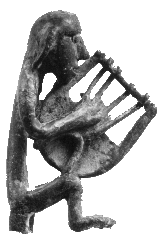
Jews sing a lot. We sing blessings, we sing Psalms, we sing songs of joy, and songs of mourning, and we even sing the Torah. We always have, it seems. Back at the First Temple (destroyed in the year 70 CE) there were specific requirements of the Levites/Priests to sing and play instruments during services.

The entire Torah has a musical score (called trope or cantillation). It's not good enough for us to just stand up in front of the congregation and recite the Torah verses -- we sing them out loud! (I love this site, Navigating the Bible II for looking up specific verses to see how they are chanted.)


I'm sure are volumes of anthropological and empirical evidence for why we humans started transmitting our stories through song. Maybe we were just imitating the birds, or the wind, but it works.

And I would bet that before they figured out complex songs, the early humans figured out humming a soulful tune, desperate to hush a baby's cry.

When I think back on the synagogue services of my childhood, I can't really remember what the rabbis said, or even who they were, but I remember the tunes.
  • Adon Olam
  • Ve'ahavta (which is chanted in the same way we chant Torah)
  • Avinu Maklenu (which I wrote about here)
  • Ashrei
  • Etz Chaim
  • The Shema (6 words? Sing it!)

Music and the Religious/Spiritual Experience

I never really considered myself a spiritual person growing up, and even into my late 20s and 30s. "Spiritual" was always equated to "New Age," and boy did the new-agers of the 80s and 90s ruin that for me. Young Susan was not going to stand in a circle, hold hands with people I didn't know, wear a flowy skirt, and search for something "outside myself". (Honestly, 43-year-old Susan wouldn't do that with a group of strangers either...)

I was always well-rooted in Reform/Conservative Judaism, which at the time didn't include that kind of energy.

We would always sing.

Only sometimes would we sing.


Am I spiritual now? Definitely yes, when live music is involved. I have had amazing, transcendent, soul-lifting and soul-crushing experiences in small clubs, dingy bars, stadiums, arenas, festivals, the greatest outdoor venue on the planet, and the bases of ski slopes.


I have found those moments with bands from Foo Fighters to Phish and Red Hot Chili Peppers to Richard Shindell. I have even found those moments listening to bands whose names I can't remember and probably never knew. Opening acts. Street performers. CAJE conference sing-a-longs at 1 a.m. in a college dorm lounge.

For me, the most salient aspect of these "spiritual moments" is a loss of self-consciousness, which I carry around in droves normally,

Dance Like No One is Watching
The closer I can get to that ideal, the more spiritual and authentic the live music experience is. 


Introvert Heaven
Concerts are the perfect social gathering for introverts. You get to spend time in the presence of lots of other people and have social moments, but you experience the music completely within yourself. And you can move back and forth between interacting with other people or not without judgment. I'm not ignoring you because I'm aloof, or feeling anti-social. I'm ignoring you because the band is playing, man!  I am in the groove! 


Tonight is Shabbat, and there will be much dancing, singing and rejoicing on the part of this Jew.

At The Aggie,
with Keller Williams
my entire body will be praying.


Thursday, October 22, 2015

Ode to a Migraine

The rain was blazing.
The lamplight thunderous and deafening.
The music had of a whiff of putrid decay.
I could not taste the rainbow,
and the touch of the cat's paw was deafening.
Never over soon enough.

Where are these when we really need them?

Wednesday, October 21, 2015

Because God Said So

One of the biggest disconnects for me as a modern, progressive Jew who studies Torah is the blind obedience so often practiced by darn near everyone. So far, there is a complete unwillingness to stand up to God.

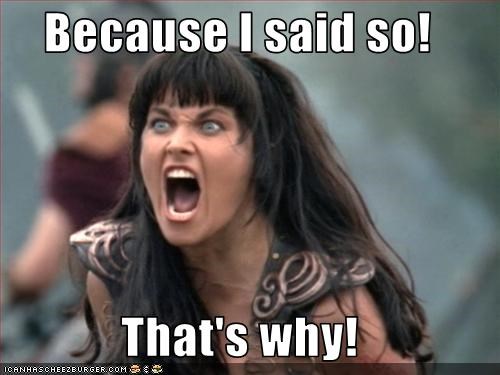
Because I Said So

God: Adam and Eve. I know you didn't have knowledge of right and wrong until you ate from the tree of knowledge, but it was wrong of you to do so. Get out of the Garden of Eden. Oh, and you're going to die.
Adam and Eve: Uh, OK.

God: You're a pretty good guy, the best of every human alive on earth. But I'm disappointed in my own creation and have decided to kill everyone but your immediate family in a horrible flood. Start building a boat and you'll survive.
Noah: Uh, OK.

God:  Haran is your home, and you probably like it here, but you have to pick up and leave now. You, your wife, your goats. get moving.
Abram: Uh, OK.

Why Didn't These Conversations Go Like This?

God: Adam and Eve. I know you didn't have knowledge of right and wrong until you ate from the tree of knowledge, but it was wrong of you to do so. Get out of the Garden of Eden. Oh, and you're going to die.
Adam and Eve: You've got to be kidding. That is completely illogical and unfair.
God: How so?
Adam and Eve: You cannot punish us for doing something we did not know was wrong at the time we did it. How were we supposed to know the rules if you didn't tell us the rules?
God: Good point.
Adam and Eve: So, now we have the knowledge to make good choices. What are the rules?
God: *lists the rules*
Adam and Eve: Thank you. We'll do our best.
God: Excellent. Let me know if you have any questions or get confused.

God: You're a pretty good guy, the best of every human alive on earth. But I'm disappointed in my own creation and have decided to kill everyone but your immediate family in a horrible flood. Start building a boat and you'll survive.
Noah: Wait, what?
God: Look around. Everyone around is doing wicked things. I gave Adam and Eve the rules. No one is following them. So I'm going to flood the Earth and start over with you and your family.
Noah: Do you really think that's a good idea? I'm going to be left alone on the Earth with only my family -- not my mother or father, not my sister, not my friends -- because you killed them. Then what?
God: Then you will worship me.
Noah: LOL. No. Do you want us to hate you? This is how you get people to hate you.
God: What do you suggest?
Noah: Show yourself. Don't just talk to me. Talk to everyone. Tell them why they should be good and what "good" looks like.
God: Maybe you can help and talk to people.
Noah: Deal.

God:  Haran is your home, and you probably like it here, but you have to pick up and leave now. You, your wife, your goats. get moving.
Abram: What about my father? My mother?
God: No. He makes and sells idols, so he can't go to Canaan.
Abram: Did he know he wasn't supposed to do that?
God: Well, no. I haven't given the rules about idol worship yet. But he should have known.
Abram: You keep doing this. You get all mad because we're behaving as you made us. We can't win. And you haven't even told us where we're going or why.
God: I'll tell you later.
Abram: If you were me, would you agree to that?
God: Perhaps not.
Abram: Ok then. Let me in on the plan so I can make a good decision.
God: What if you say no?
Abram: Then we'll keep talking.

Arguing With God: Isn't It a Jewish Tradition?

As a 40-something Jew raised in the American Conservative/Reform traditions, I was always taught that Jews argue with God. We don't just blindly follow meaningless rules, and the final rebellion against Orthodoxy in my family happened long before I came along. 

I was quite surprised to learn as an adult that Jewish fundamentalism existed. That there are Jews who believe the earth is 6,000 years old (5776 in fact). Jews who believe every word of the Torah was dictated to Moses by God. Jews who hold up Abraham as a model because he was obedient. Do what God tells you, without question. Follow the 613 mitzvot (commandments). Why? Because God said so. 

I didn't get it, but as I read the Torah, I see where this vision of God comes from. It's right there in the text.

"Because I Said So!"

As I child, I swore I would never, ever say, "Because I said so!" to my own children. I'd give reasons. And be patient, and not rely blindly on my parental authority to demand obedience.

But as my kids will surely testify, I went there. Many times.


But I never went there first, and when possible, I've given a reason or at least tried to explain why I said so.
  • "Because you'll get frostbite without your shoes."
  • "Because dirty dishes in your room will attract bugs."
  • "Because if you don't get in the car none of us can go home."

I'm not going to lie. When I did say, "Because I said so!" what I was feeling was -- 
  • I'm in charge here. 
  • I don't have to give you a reason. 
  • I am the mother. 
  • You are the child. 
  • I know so much more than you.
  • I have 29 more years of experience in this world.
  • I see the big picture you can't even imagine yet. 
  • I do not owe you an explanation.
  • You owe me obedience.
  • I can make you miserable.
  • This is for your own good.
  • How dare you question me?


None of those are feelings/thoughts you want to have toward your children, and they led to some regrettable actions as well. 

If I had the power to flood the world, or expel them, or say, "Get up and go!" I might have. 

It Gets Better (in real life)

Those moments have become fewer and far between. (I can't even recall the last one.) I've changed, my kids have changed, and our relationship has changed. 

If I  judge myself by the first three chapters of my creating a world, a household, a family, a new generation, I come up very short. Quick to temper, slow to learn, reluctant to explain myself. But we're more than a few parshas past that now, and we're all starting to look better, and we deserve to be judged more charitably.

Maybe God will, too.